
a high-altitude ecosystem
CADAGNO MEROMICTIC
1
A balance between nature, biodiversity, and human activity
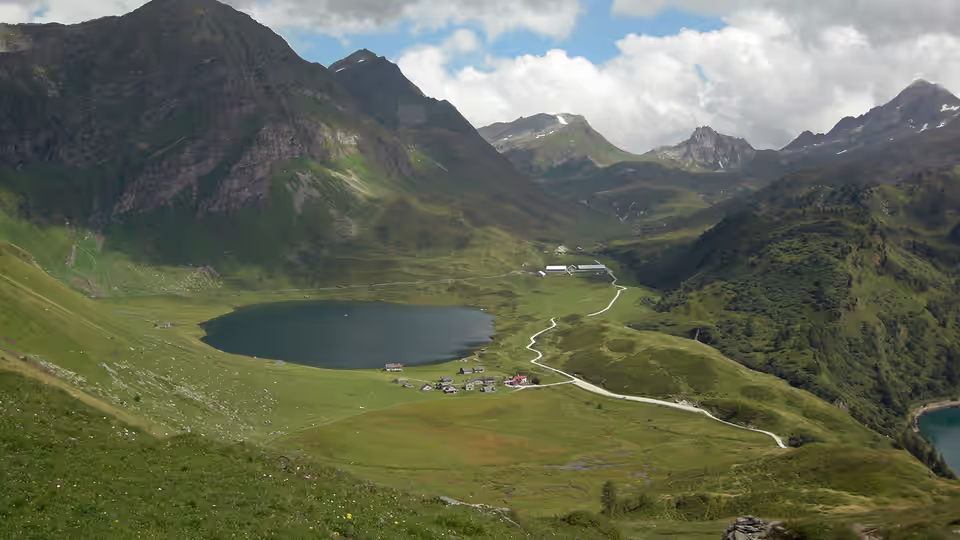
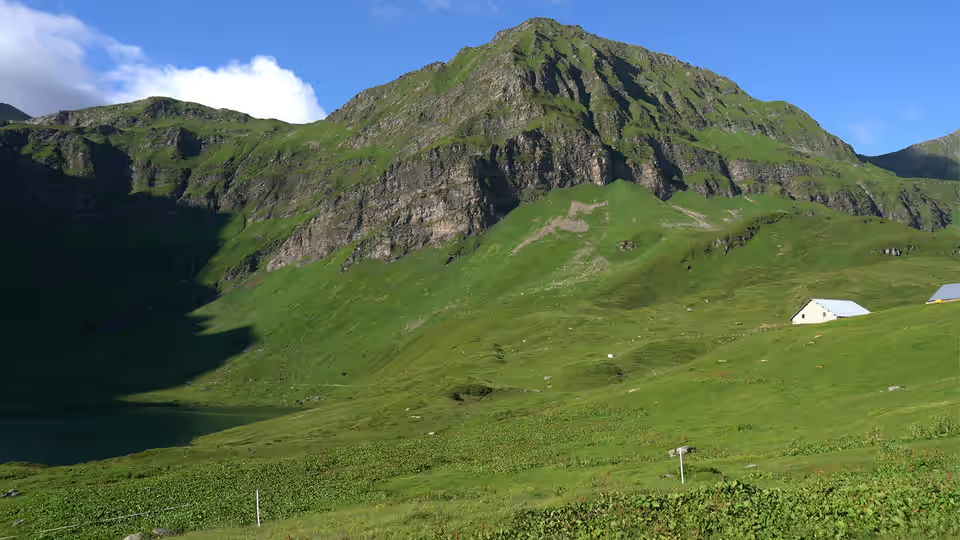
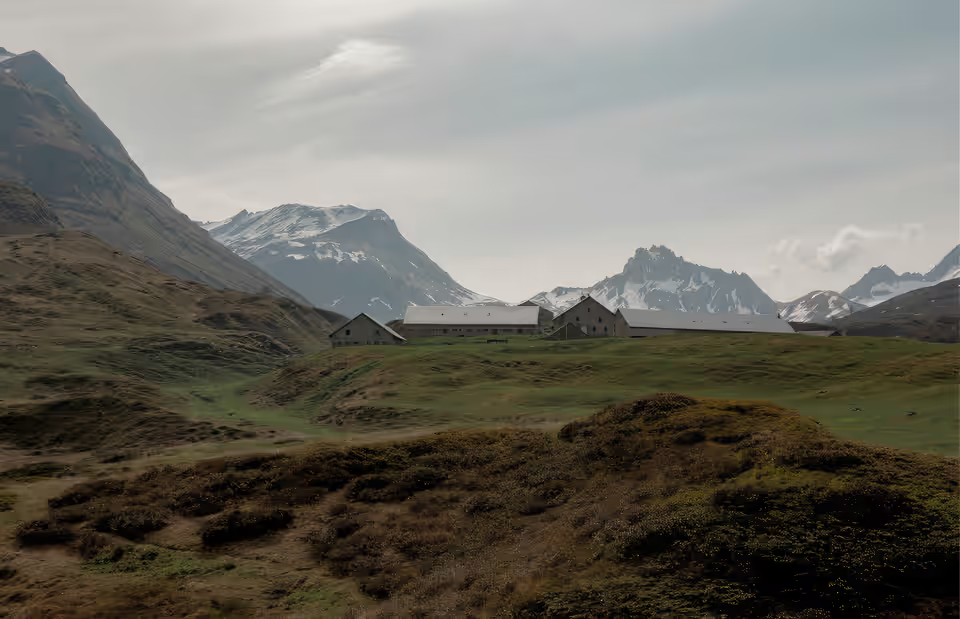
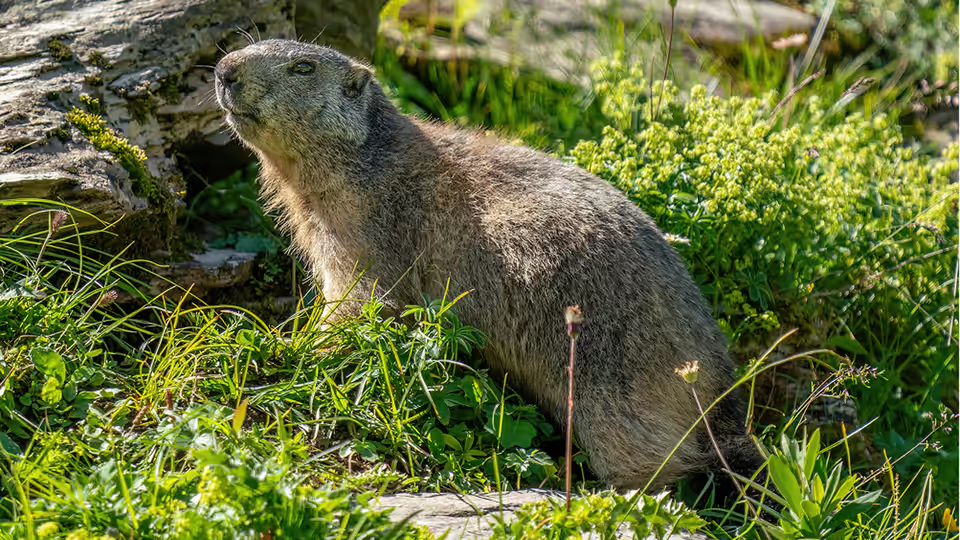
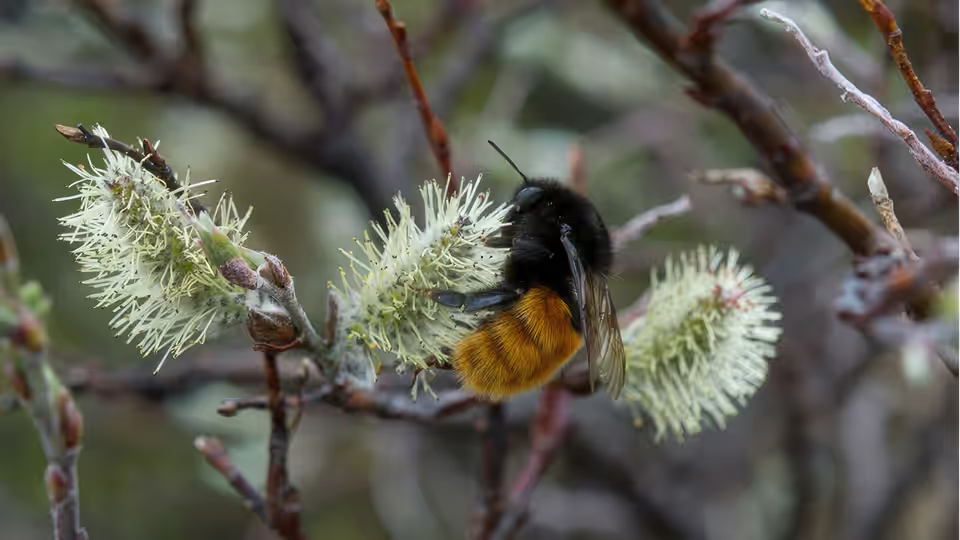
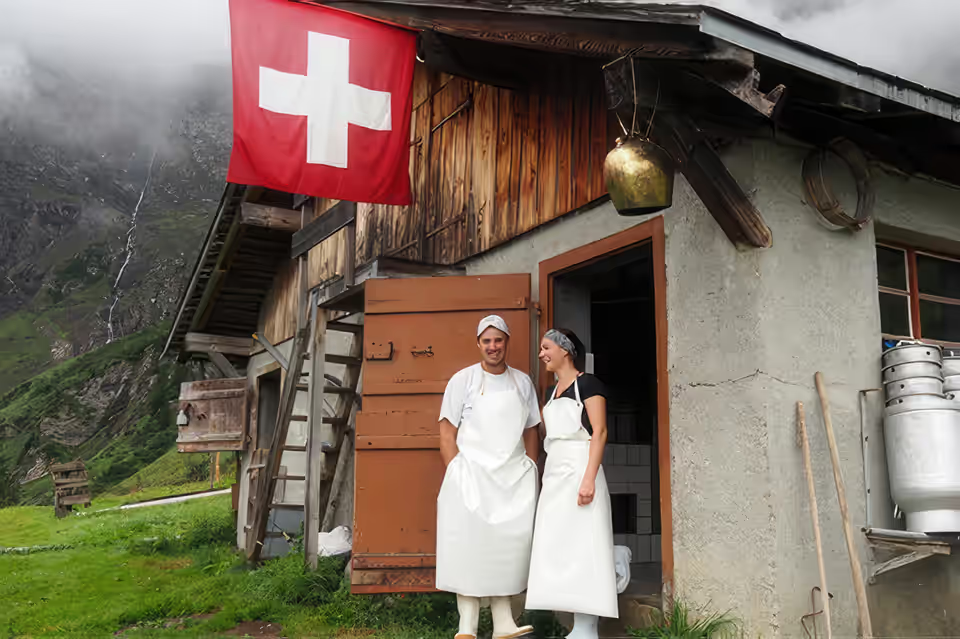
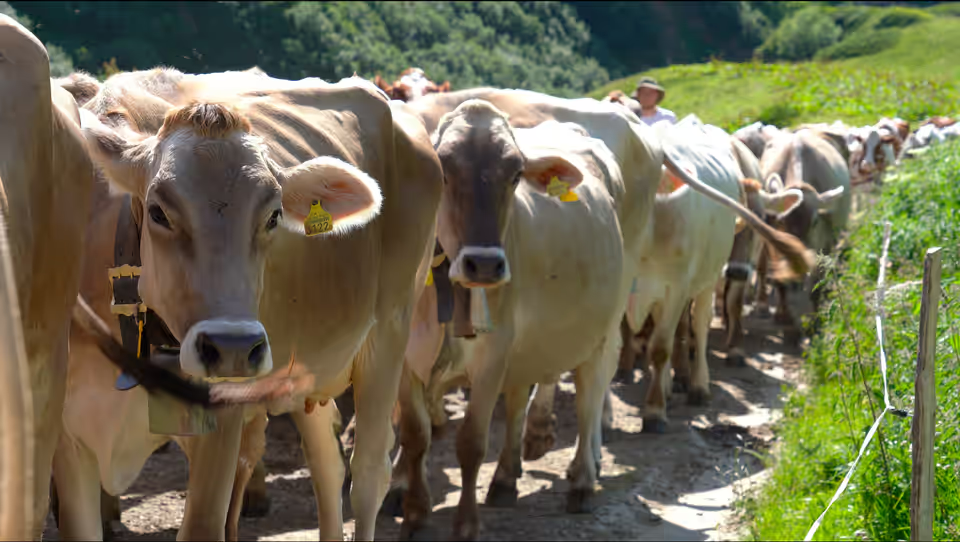
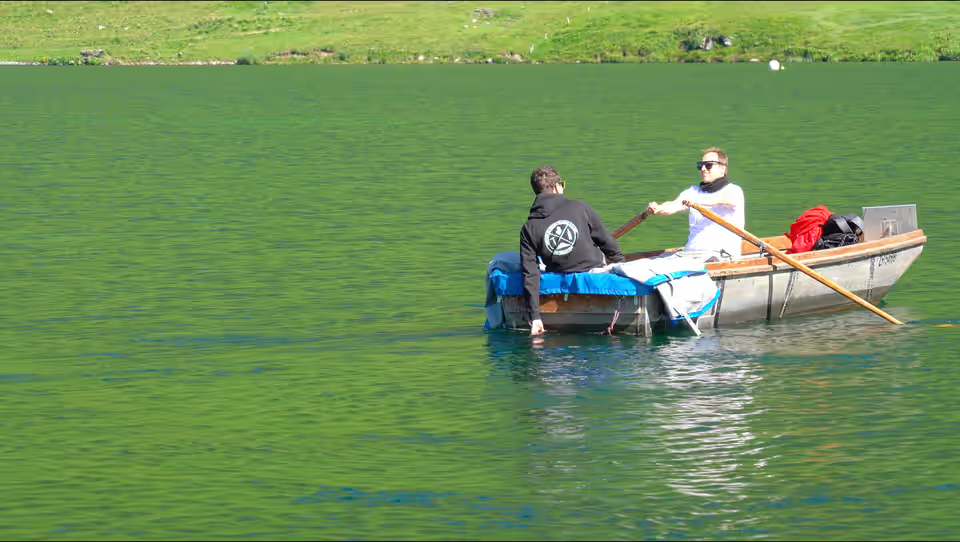
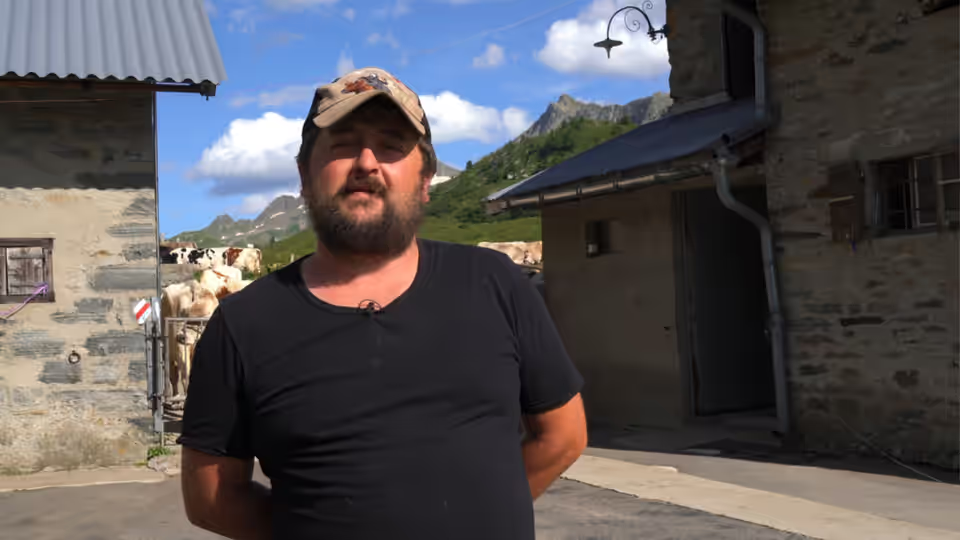
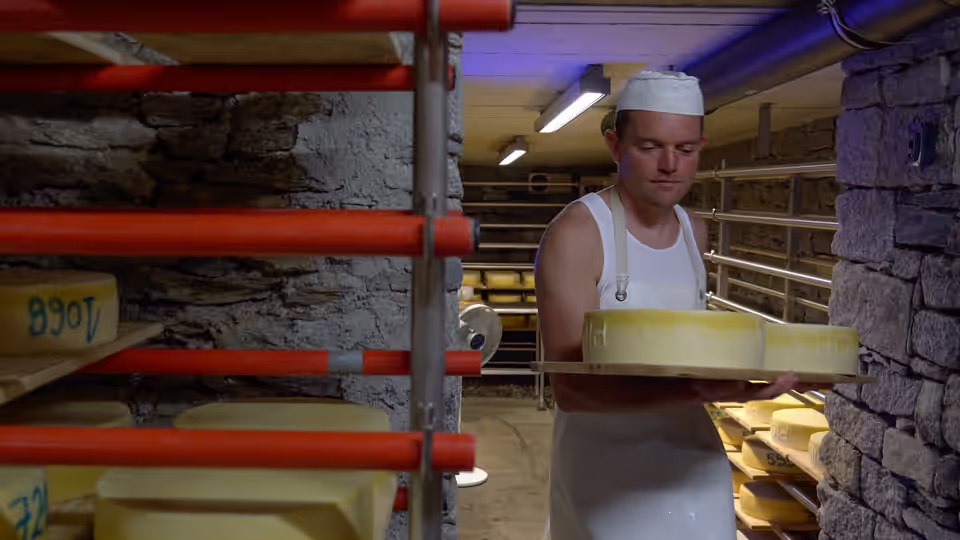
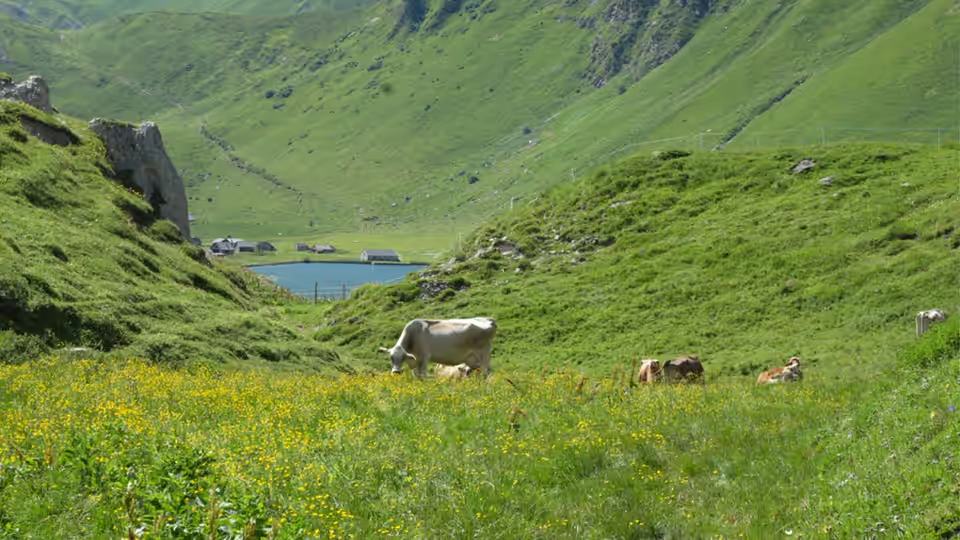
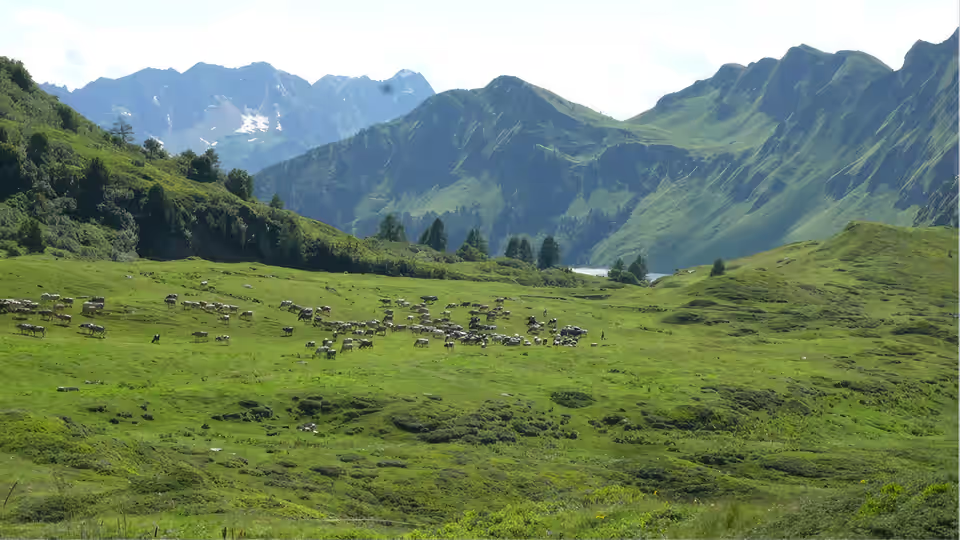
The Piora plateau lies in the Lepontine Alps, in the Canton of Ticino, at over 1,900 meters above sea level. It is a glacier-shaped landscape where alpine meadows, wetlands, rocky outcrops, and small lake basins coexist in a relatively compact area. Alpine flora has adapted to poor soils, short seasons, and strong climatic variation. Insects, birds, and mammals use resources tied to clearly defined seasonal cycles, occupying precise ecological niches. For centuries, this environment has been inhabited and managed through summer alpine grazing: pasture keeps meadows open, supports plant diversity, and sustains an active production tradition linked to alpine cheeses. The Piora landscape is therefore the result of a continuous balance between natural processes and human presence. In this context, Lake Cadagno is a direct expression of the plateau's morphology, geology, and ecological cycles.
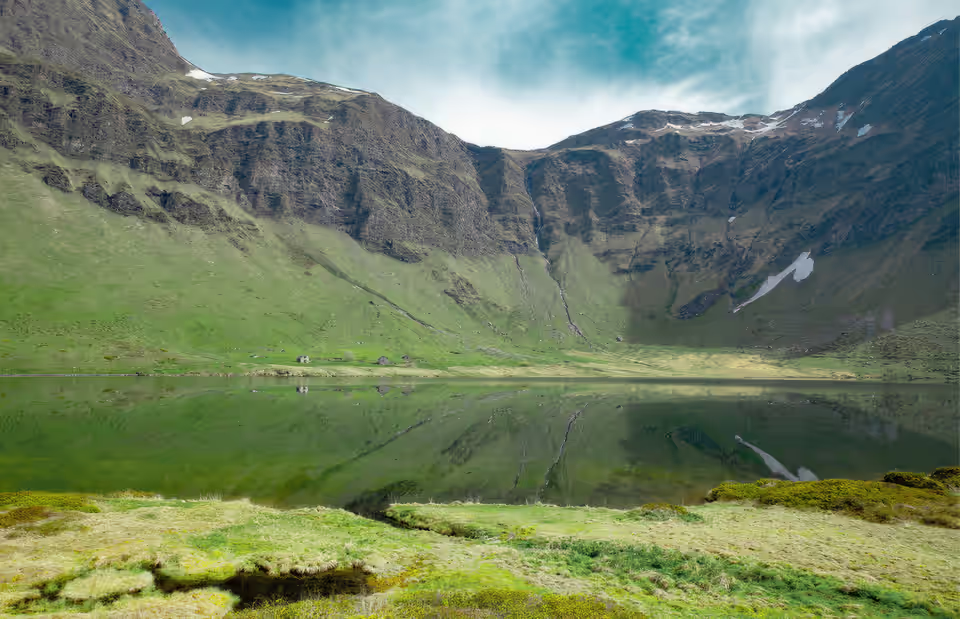
Lake Cadagno seen from the ascent to Lake Tom. 
© HaLu - Own work, CC BY-SA 3.0
Lake Cadagno winter view
This is some text inside of a div block.
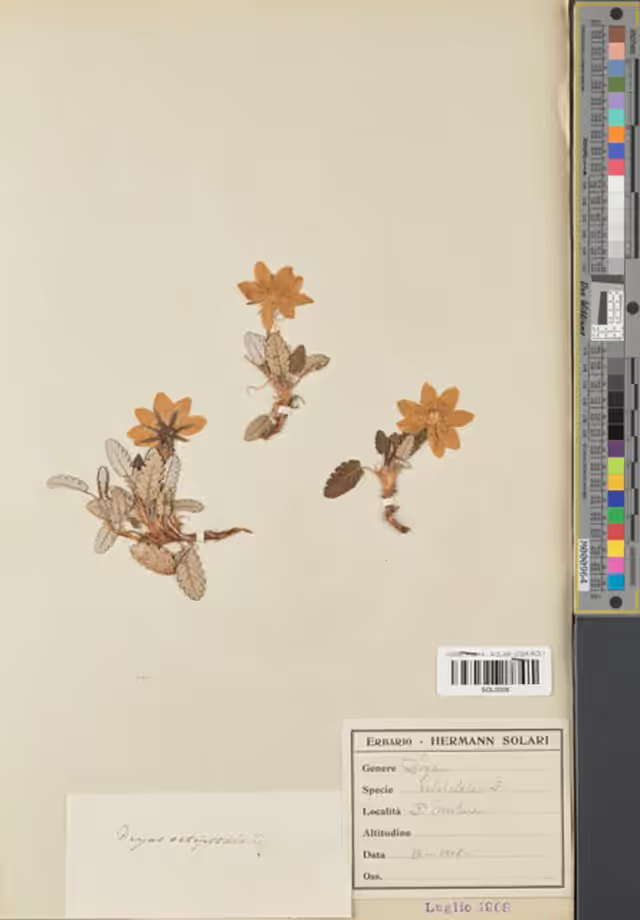
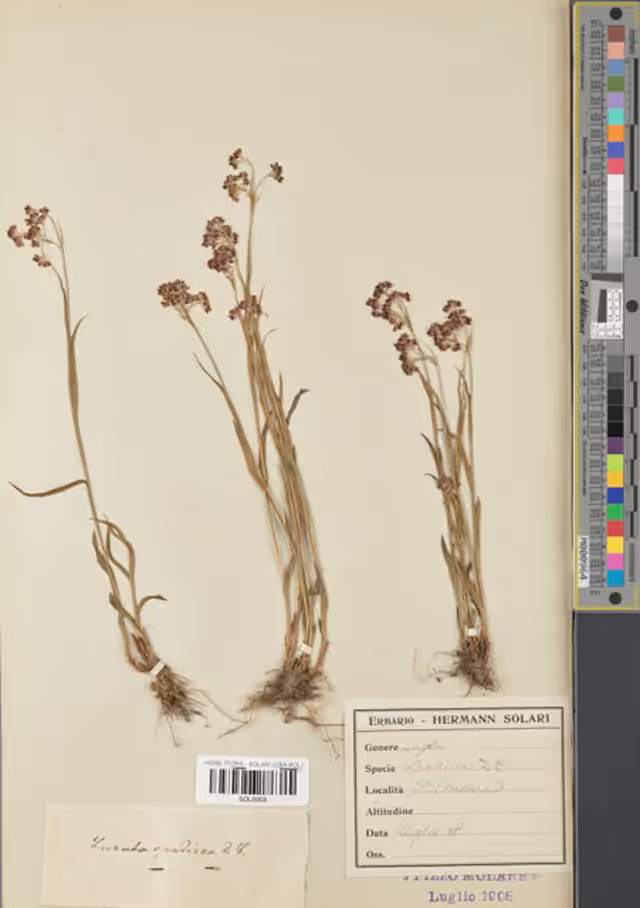
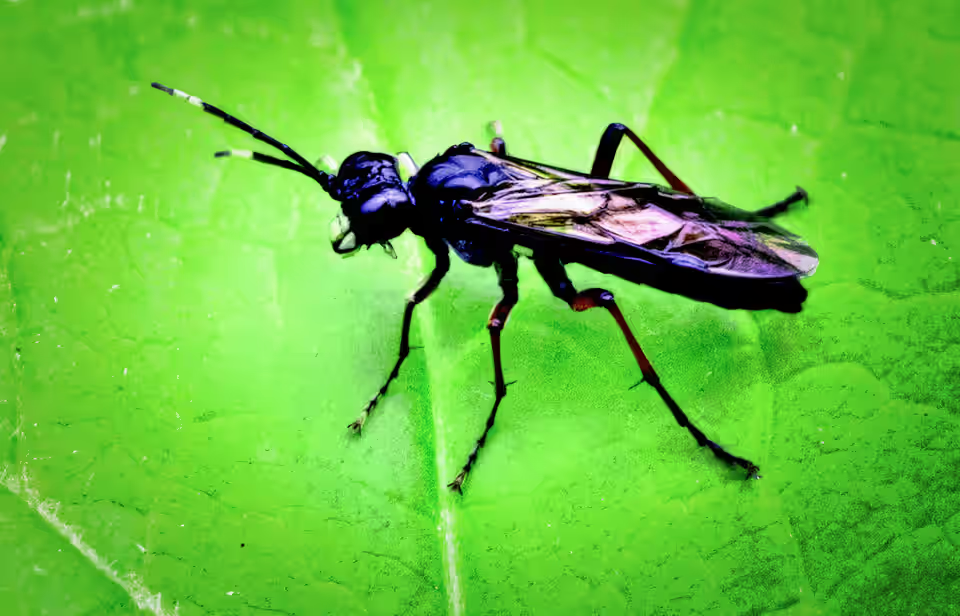
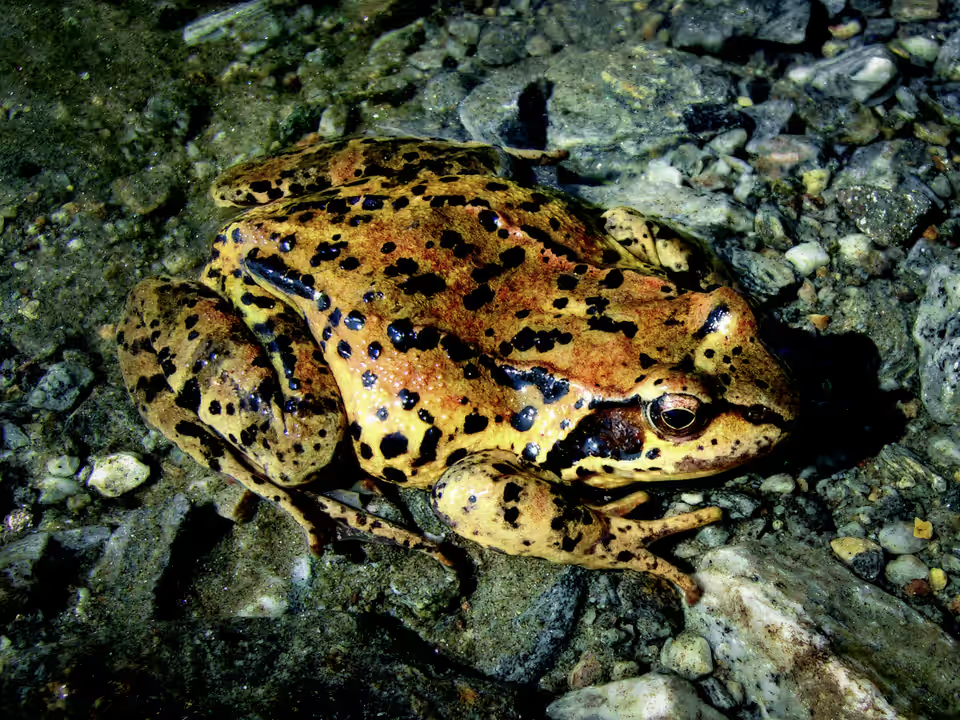
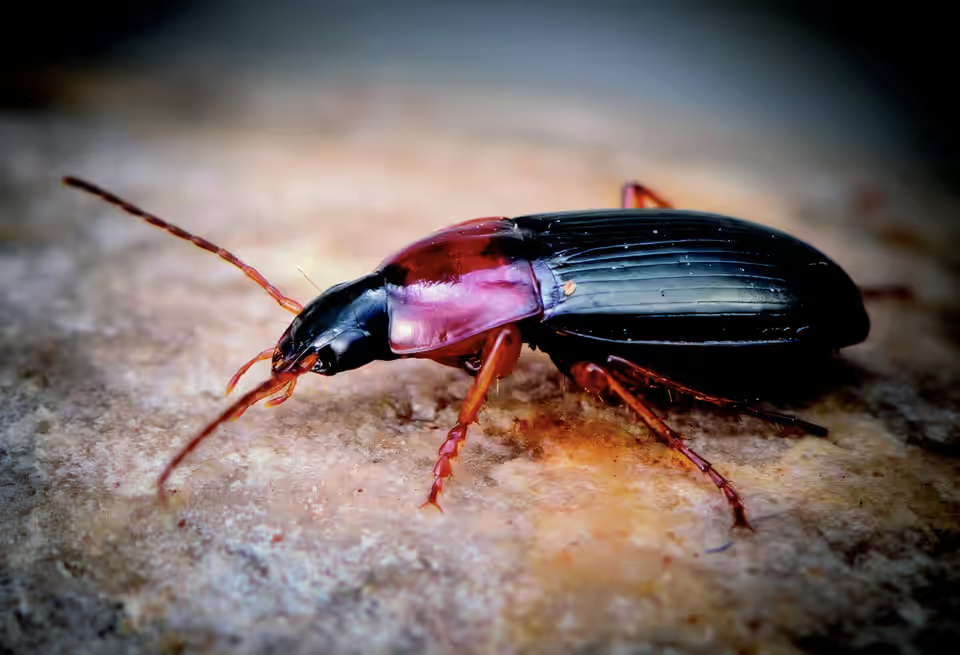
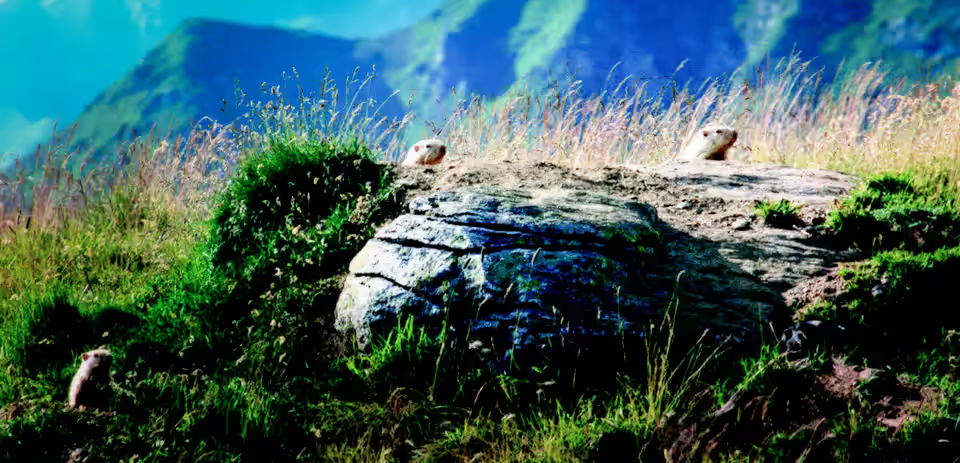
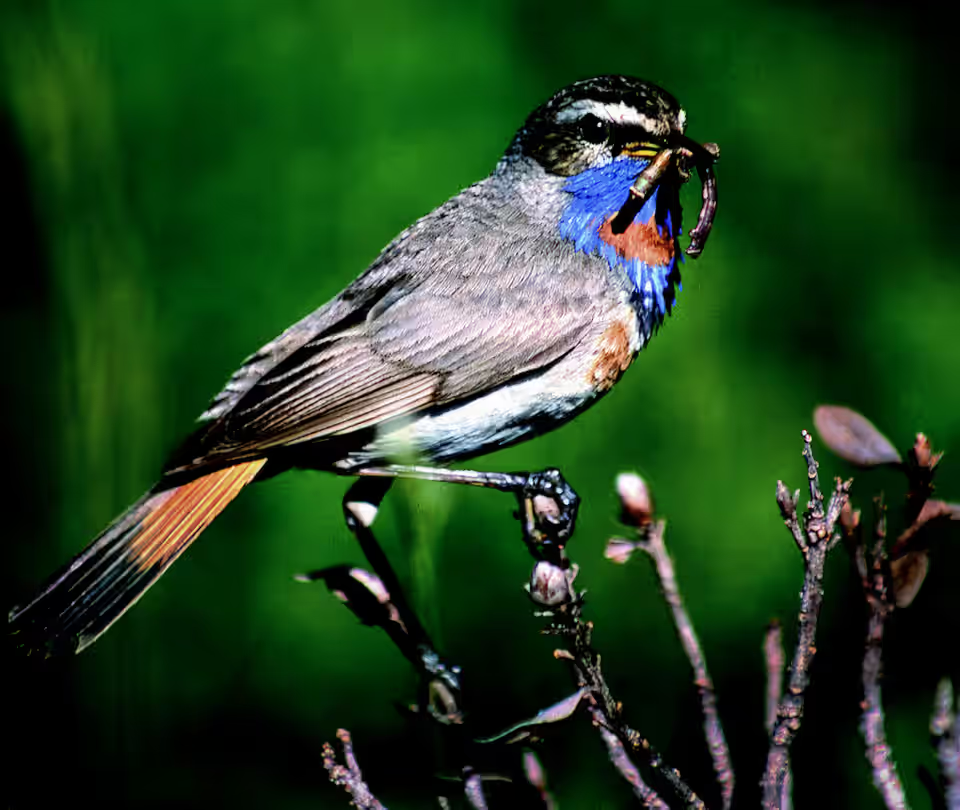
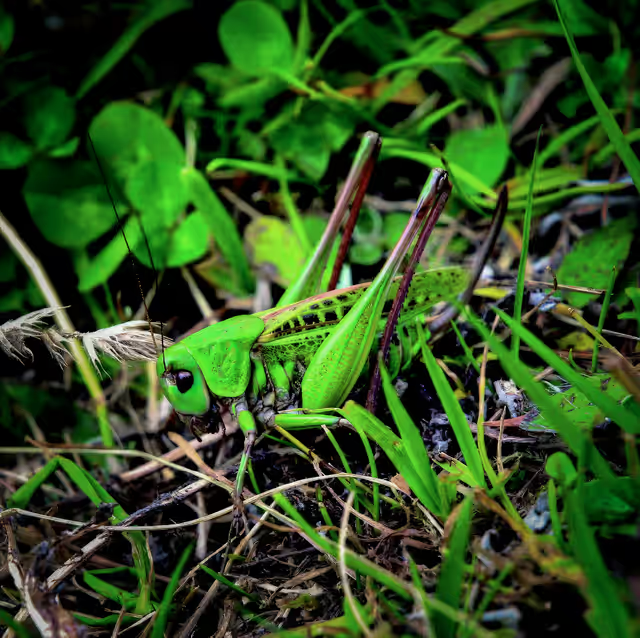
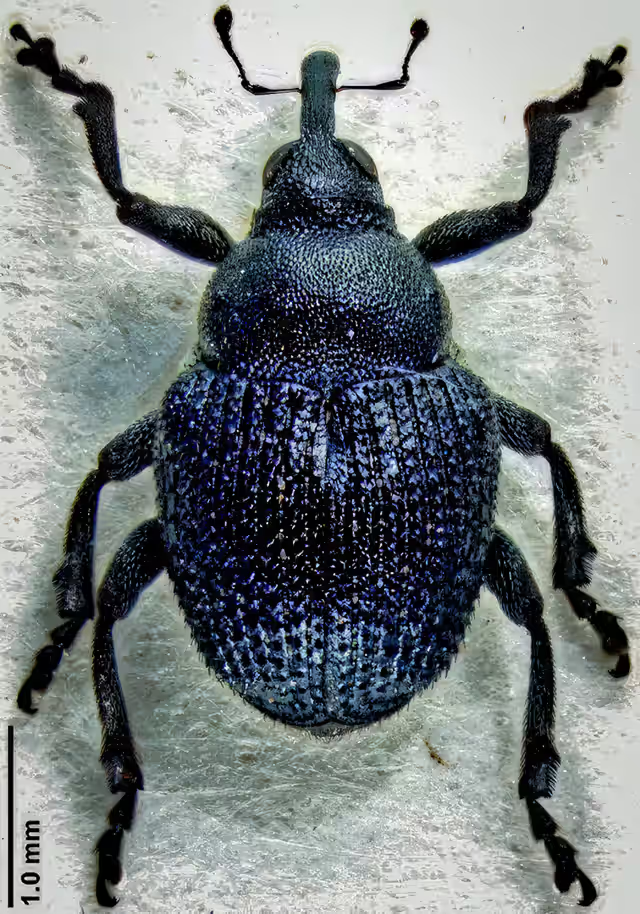
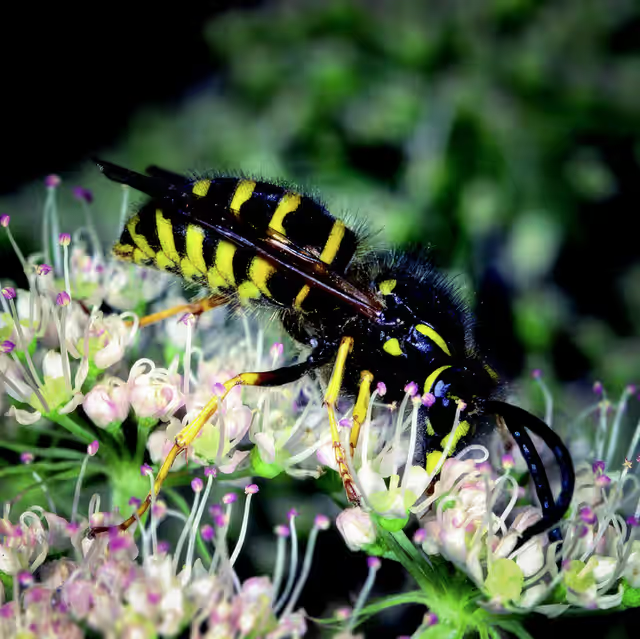
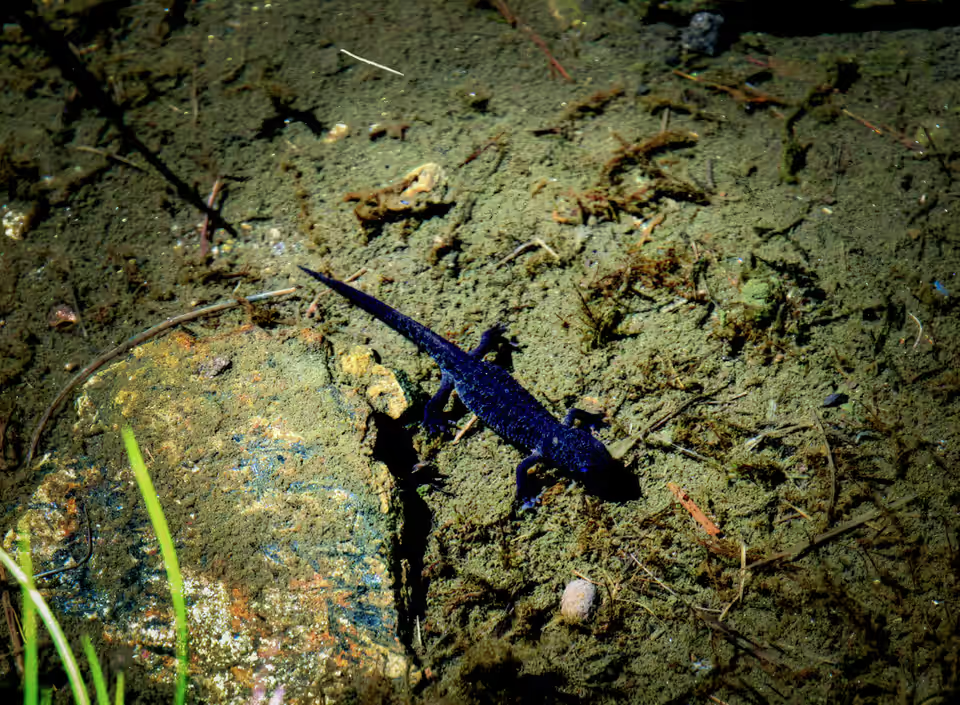
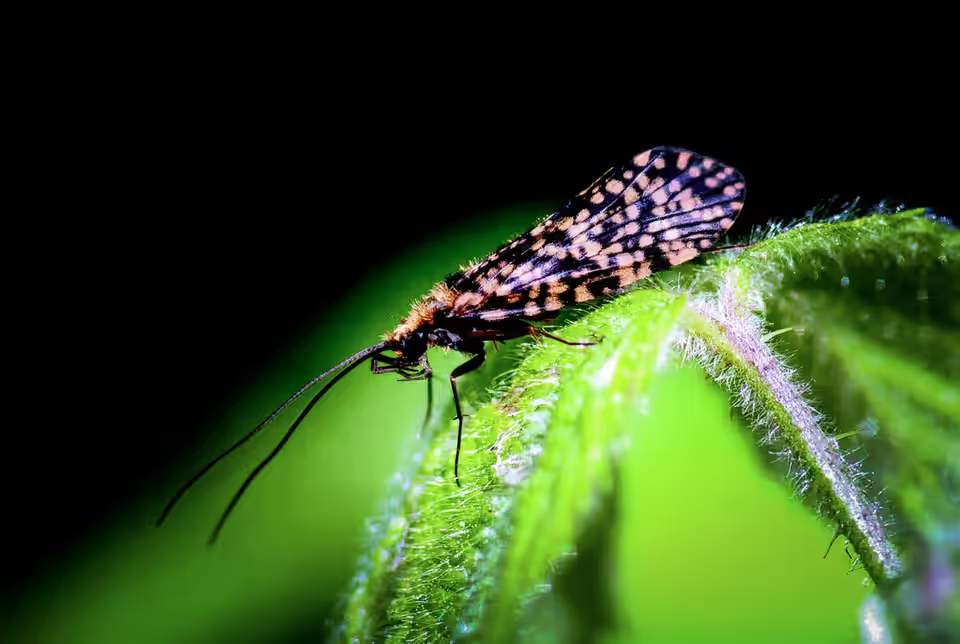
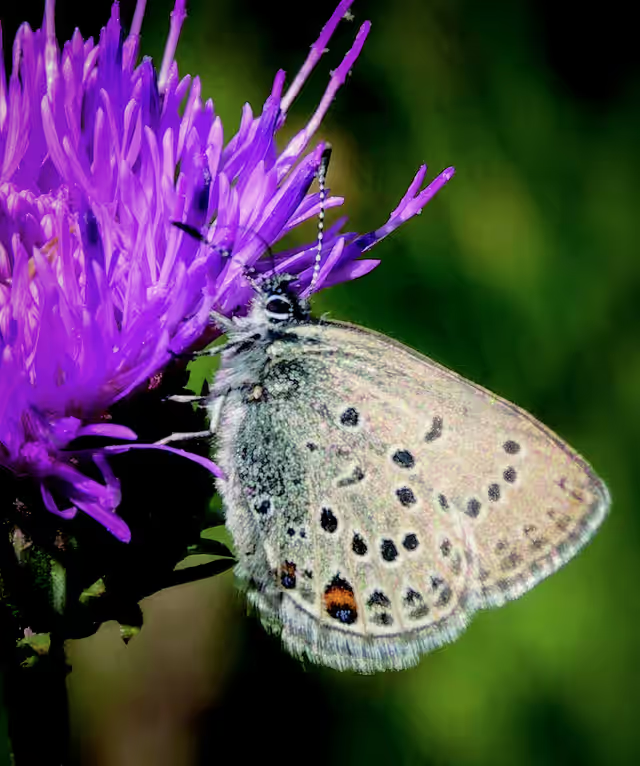
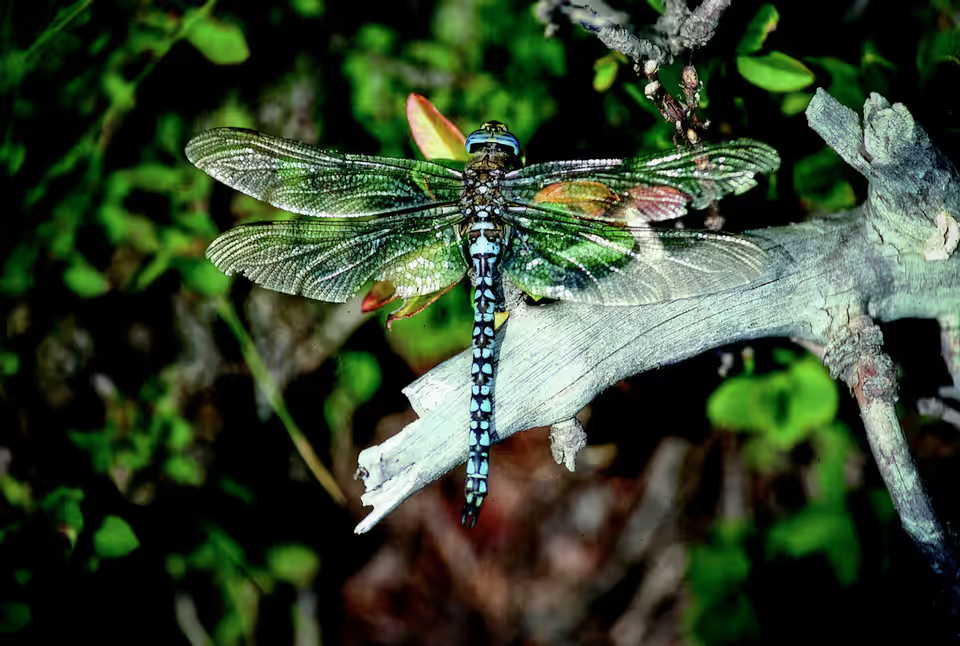
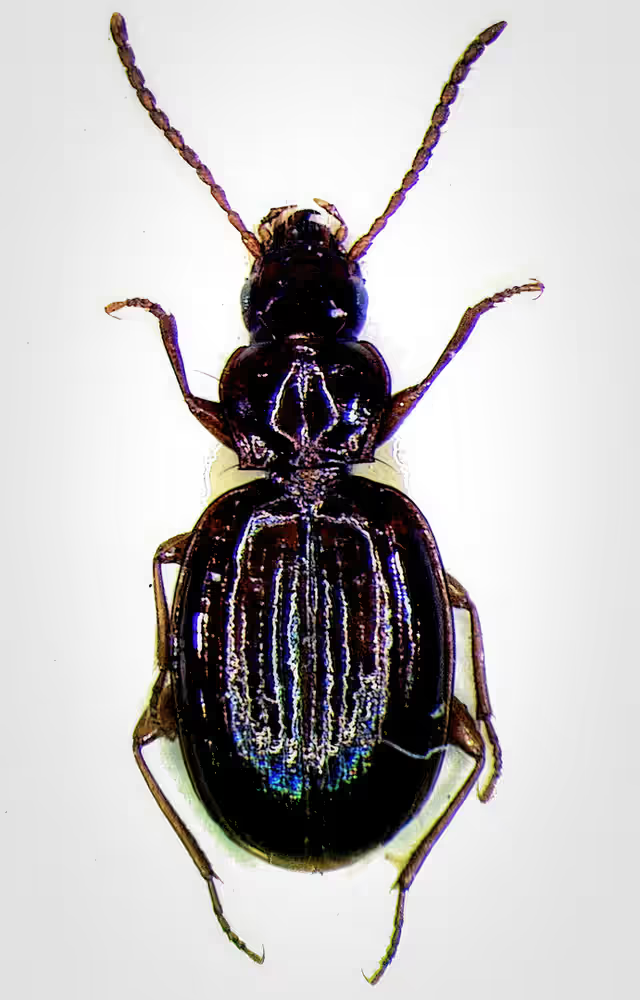
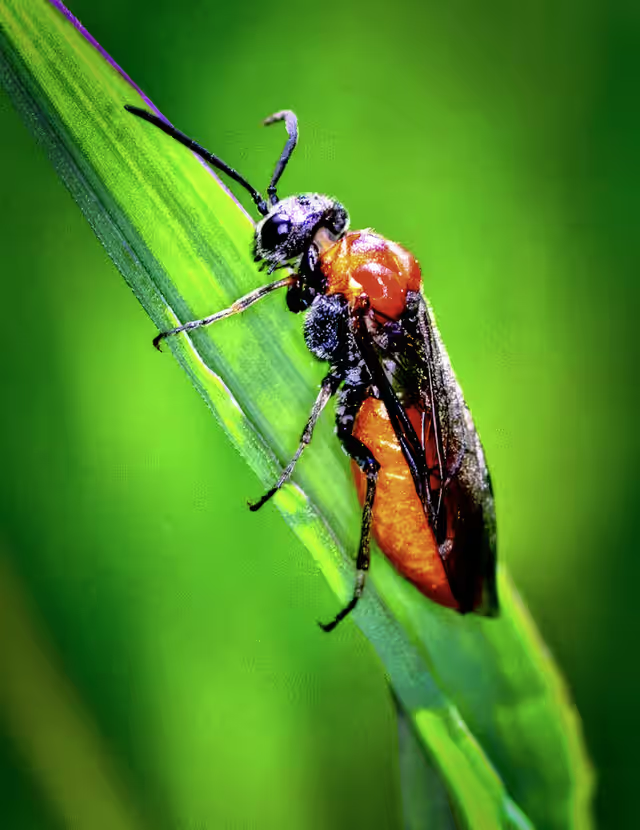
The Piora plateau hosts biodiversity typical of high-altitude alpine environments, where life is shaped by extreme climatic conditions. Vegetation is concentrated in meadows rich in herbaceous species, seasonal flowers, mosses, and lichens that can grow on thin, nutrient-poor soils.
Biodiversity that tells the story of high altitude
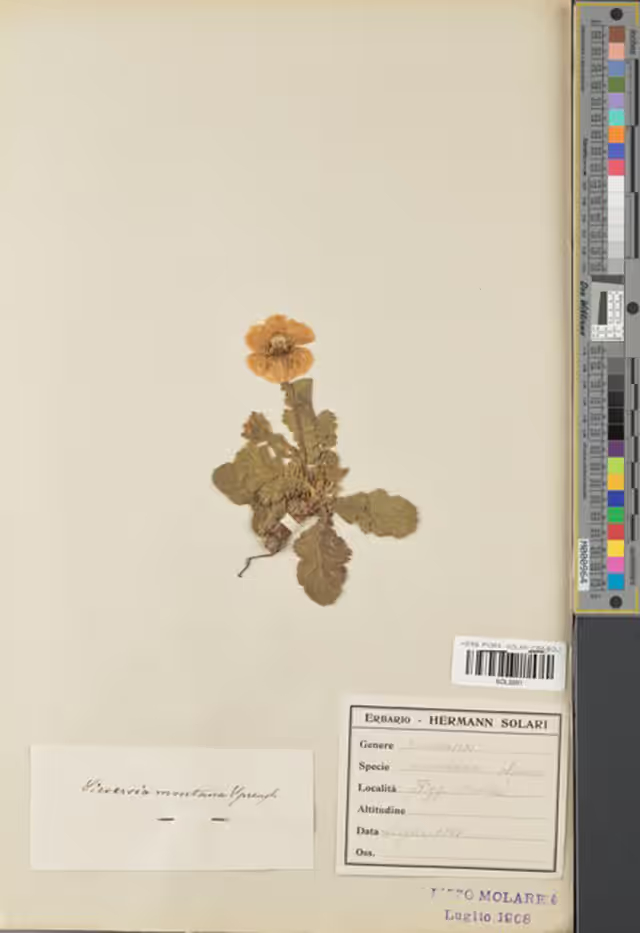
A short walk from the lake is the Herbarium of the Alpine Botanical Center of Piora, one of the most important botanical archives in the southern Alps. Here, plant species of the region are collected, cataloged, and preserved: plants adapted to a harsh climate, strong seasonal variation, and complex geology.
The Piora basin is a true natural laboratory: a mosaic of microclimates, different rocks (dolomite, limestone, schists, gneiss), and ecological gradients that change within a few meters. The herbarium preserves the scientific memory of this system and makes it possible to observe how flora responds to the physical conditions shaping the valley. The same dynamics that shape surface biodiversity also contribute, below the lake surface, to the formation of meromixis and Cadagno's famous colored microbial layers.
2
[1864m] — A meromictic system
The lake unlike any other
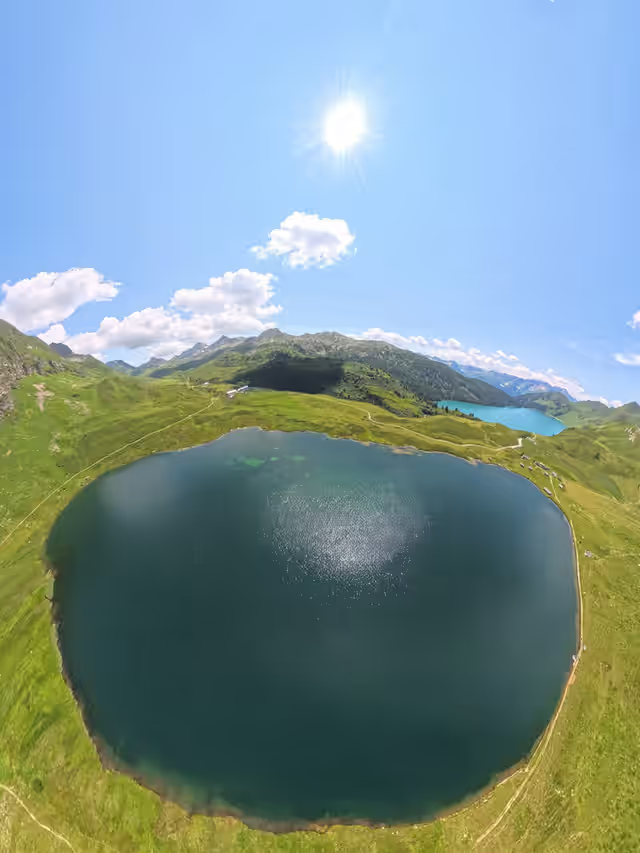
Lake Cadagno lies at over 1,900 meters above sea level, nestled among alpine meadows and glacial basins. At first glance it may seem similar to other mountain lakes, but beneath the surface it hides a unique structure. Cadagno is a meromictic lake: its waters never fully mix. Unlike most alpine lakes, which mix seasonally, Cadagno maintains a stable separation between water layers with profoundly different physical and chemical properties. This condition makes the lake a truly stratified system, in balance for thousands of years.
Meromixis
Most alpine lakes mix at least once a year: surface and deep waters meet, exchanging oxygen, nutrients, and heat. In Lake Cadagno this does not happen. Cadagno is a meromictic lake: its water column is permanently stratified. Surface layers, lighter and less saline, remain separated from deeper waters, which are denser and richer in salts. This separation is not temporary; it is stable over time. Meromixis turns the lake into a vertical structure made of overlapping environments, each with its own physical and chemical conditions.
Sub-lake springs
The invisible contribution of the subsurface
The lake's stratification is continuously fed by groundwater rising from the bottom. Filtered through the plateau's dolomitic rocks, these waters are rich in salts and increase the density of deep layers. This constant contribution from the subsurface is what makes meromixis durable over time and sets the stage for the biological layers that characterize Lake Cadagno.
The dolomite vein
Beneath Lake Cadagno, water is not still. Underground springs rise from the lakebed and pass through the plateau's rocks, filtering especially through dolomite. This slow subsurface path enriches the water with mineral salts, making it denser than surface waters. When these waters emerge on the lake bottom, they do not mix with upper layers. Their greater density keeps them confined at depth, continuously feeding stratification in the water column.
Surface
It is the layer in direct contact with the air. Here, wind, temperature, and light influence the lake and allow oxygen to enter.
Upper mixolimnion
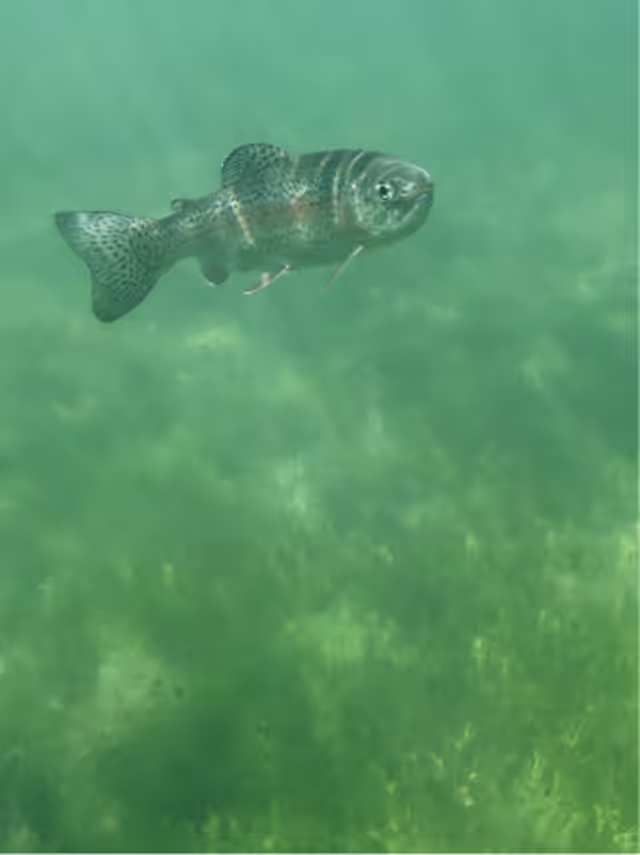
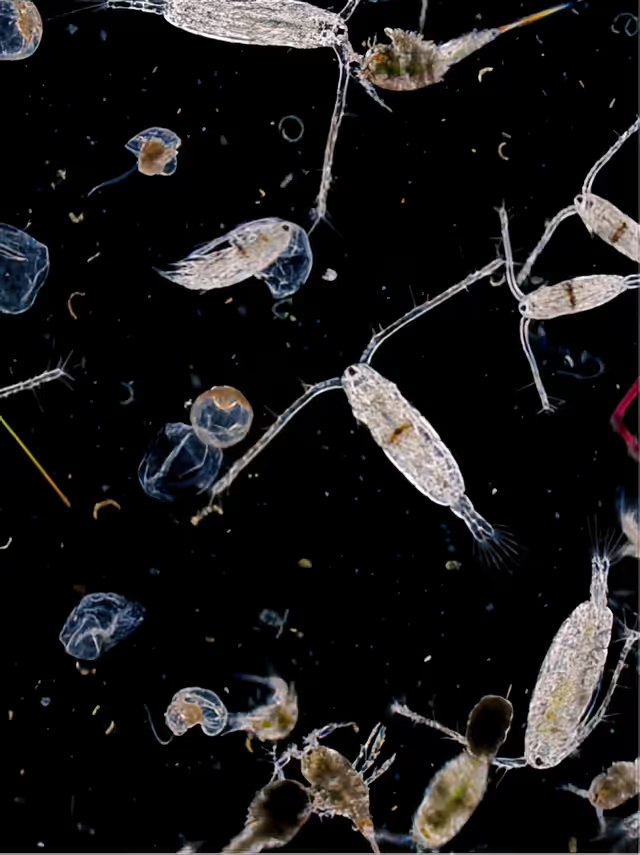
Upper mixolimnion: Oxygenated, well-lit water. It hosts phytoplankton, zooplankton, fish, and microorganisms that depend on oxygen and photosynthesis.
Lower mixolimnion
Lower mixolimnion: Light is strongly attenuated and oxygen drops rapidly. Water becomes more stable and life decreases drastically.
Chemocline
Chemocline: A layer without oxygen but still reached by faint light. Here live sulfur phototrophic bacteria that use sulfur and light in oxygen-free photosynthesis.
Monimolimnion
Monimolimnion: Total darkness and saline, stable water isolated from upper layers. Life is sustained by anaerobic chemical processes linked to the sulfur cycle.
3
[From 0 to -10m] — Where the lake breathes
Mixolimnion
The liveliest zone, in constant exchange
The uppermost layer is the one that interacts with the air: wind, temperature, and light keep it continuously mixed. Photosynthetic microorganisms live here, oxygen disperses here, and most visible biological processes occur here. It is the breathing part of the lake, renewed every day and keeping the entire surface ecosystem alive.
Cadagno fauna and flora
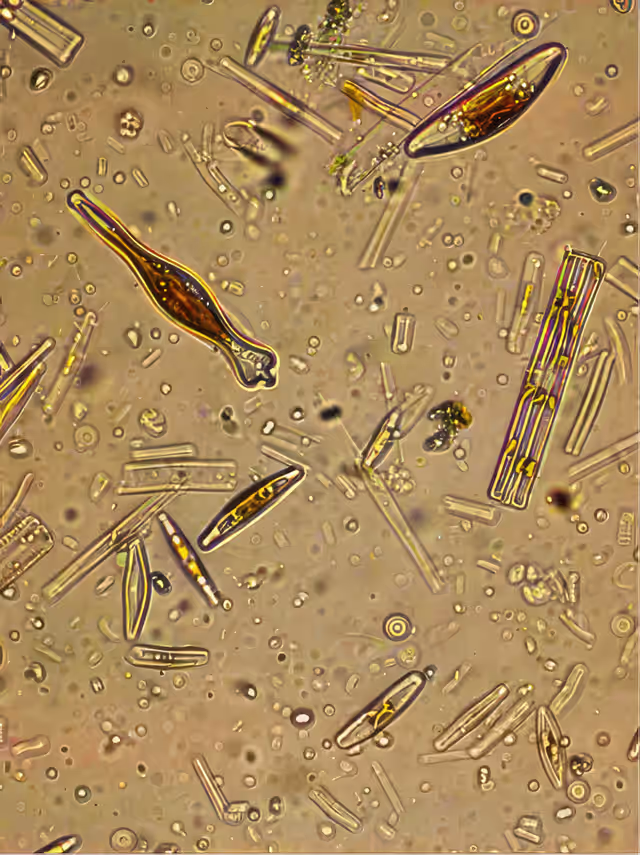
Phytoplankton
This is some text inside of a div block.
Phytoplankton
This is some text inside of a div block.
Phytoplankton
This is some text inside of a div block.
Phytoplankton
This is some text inside of a div block.
Phytoplankton
This is some text inside of a div block.
Phytoplankton
This is some text inside of a div block.
4
[From -11 to -12m] — Chemocline
The pink layer
Cadagno's microbial core
As you descend into Lake Cadagno, light gradually fades until, between the eleventh and twelfth meter, only a faint greenish glow remains. It is enough to reveal a surprising phenomenon: a band of water tinted pink, suspended exactly where the lake's upper layer meets the deep one.
Life before oxygen
This transition zone is the chemocline, the boundary where oxygen from above disappears and hydrogen sulfide rising from the bottom begins to appear. It is a stable environment with very little light, no oxygen, and abundant sulfur compounds: perfect conditions for an ancient microbial community.

In this fragile balance, two groups of phototrophic bacteria live:
  • Purple Sulfur Bacteria (PSB)
  • Green Sulfur Bacteria (GSB)
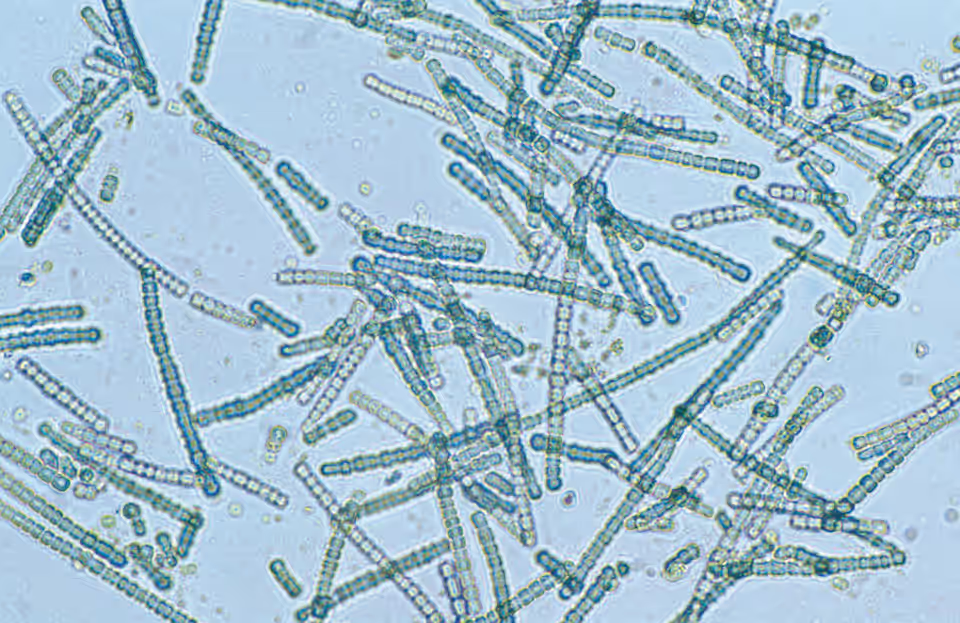
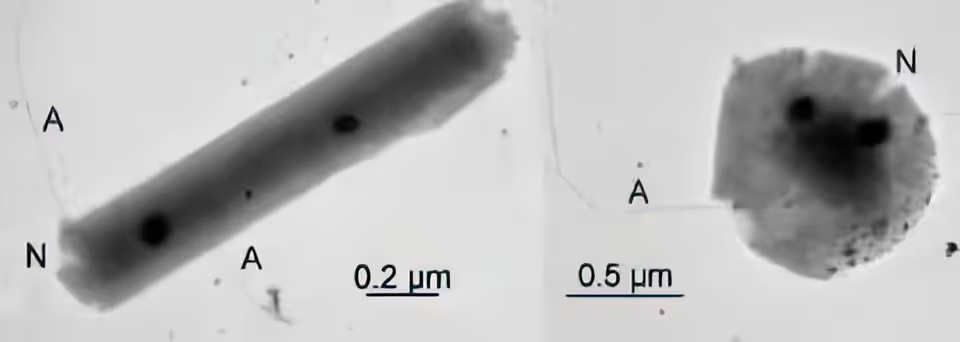
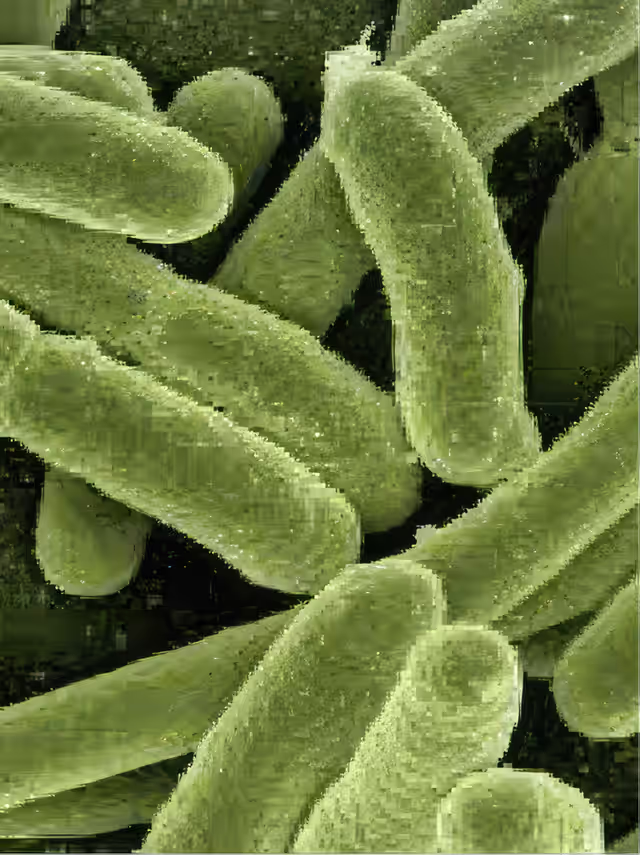
They are among the most direct descendants of life forms that, billions of years ago, began using light to obtain energy. Their photosynthesis is anoxygenic, meaning it does not produce oxygen: it uses very weak light, carbon dioxide, and hydrogen sulfide, turning them into biomass and releasing sulfate. PSB have pigments that reflect pink and violet tones, which give this layer its characteristic color. GSB, by contrast, evolved green pigments that are extremely efficient at capturing the tiny amount of light available at these depths. Two different strategies, born from the same evolutionary root. This process fuels the sulfur cycle: deep layers produce hydrogen sulfide, PSB and GSB consume it and generate sulfate, and sulfate becomes available again for sulfate-reducing bacteria in the monimolimnion. A closed, stable circuit that is strikingly similar to the one regulating primordial ocean ecosystems. Among PSB, one species stands out for a very rare behavior: Chromatium okenii. These bacteria move guided by light, avoid oxygen, and perform daily migrations through the water column, even contributing to microscopic mixing in the layer. This behavior is so distinctive that Cadagno's chemocline is practically unique worldwide.
Bacterial layers
5
[From -12 to -21m] — The monimolimnion
Life without oxygen
A stable, anoxic, and ancient world
Descending below the chemocline, light vanishes completely and the lake enters its most stable and ancient layer: the monimolimnion. Here the water is dense, saline, and completely oxygen-free. Nothing mixes with what lies above, and every change happens extremely slowly. In this total darkness, organisms survive without oxygen. Among the key actors are sulfate-reducing bacteria, which use sulfate to obtain energy and release hydrogen sulfide. This hydrogen sulfide feeds chemocline bacteria, closing one of the oldest biochemical cycles on Earth: the sulfur cycle. The monimolimnion is therefore an environment dominated by anaerobic processes, the same that characterized primordial oceans long before Earth's atmosphere became oxygen-rich. Here life follows different rules: slower and older. It is a biological archive preserving ways of life from billions of years ago, still fully functioning today in this isolated equilibrium.
It is a silent, closed world suspended in darkness: a living testimony of what Earth may have looked like before photosynthesis changed the planet's history forever.
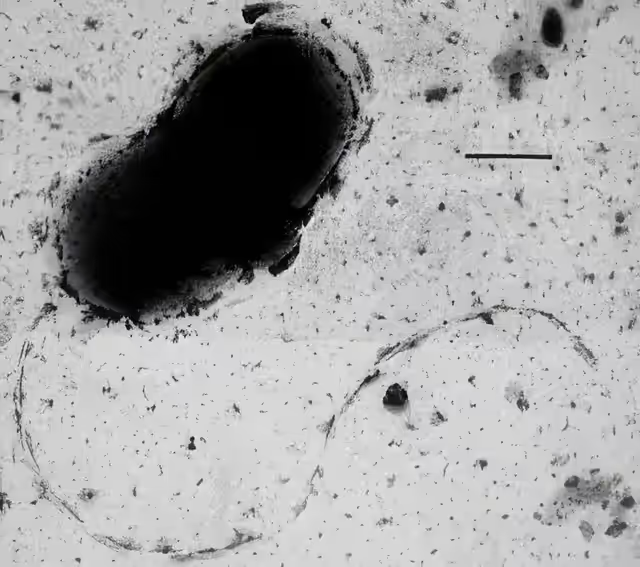
Monimolimnion
This is some text inside of a div block.
Discover TED-Ed
Useful links
1864m -0m -11m -12m -20m